Germany has emerged as a premier destination for higher education, offering world-class universities, innovative research opportunities, and the incredible advantage of largely tuition-free public colleges. For American high school students, this presents a unique and financially attractive alternative to the often high costs of a U.S. college education.
However, navigating the German higher education system, from admissions and visa applications to cultural integration, can be complex. That’s where we come in. Our firm is dedicated to helping American students achieve their dream of studying in Germany, offering comprehensive German student visa application support and practical advice rooted in our founder’s direct academic experience in Germany.
Why Germany? The Unbeatable Advantages
- Tuition-Free or Low-Cost Education: Most public German universities do not charge tuition fees, even for international students. While small semester fees (typically €100–€400) apply, which often include a public transit pass, the savings compared to U.S. colleges are substantial. This means graduating with significantly less or no student debt.
- High-Quality, World-Class Education: German universities consistently rank among the world’s best, with institutions like the Technical University of Munich and Ludwig-Maximilians-Universität München frequently appearing in global top-100 lists. Germany invests heavily in research, labs, and faculty, offering a world-class education in fields like engineering, sciences, business, and humanities.
- Diverse Programs and English Options: German universities offer thousands of programs across many fields. Crucially for American students, dozens of English-taught degrees are available, particularly at the master’s level and increasingly at the bachelor’s level, especially in STEM, business, and social sciences.
- Strong Career and Networking Opportunities: Germany’s robust economy provides excellent opportunities. Companies often collaborate with universities on projects, and internships are common and frequently paid. After graduating, international students can stay for up to 18 months on a job-seeker visa to find work. German degrees are highly valued by American employers, and many German-educated graduates find employment in Europe or back in the U.S.
- International Environment and European Travel: With over 370,000 international students each year, you’ll join a diverse community and build a global network. Germany’s central location makes European travel easy and affordable, offering unparalleled cultural exposure.
- High Quality of Life and Moderate Cost of Living: Germany offers a safe and comfortable living environment with excellent public transportation, strong healthcare (student insurance is around €100/month), and social services. While not trivial, a student can live on approximately €1,000 per month, including rent, food, and insurance, which is significantly lower than U.S. college costs.

Navigating the Challenges: Our Founder’s Insights & Your Success Plan
Academic System Differences: The Studienkolleg

A standard U.S. high school diploma alone generally does not qualify for direct university entry in Germany. Most American high school graduates will need to attend a Studienkolleg, a one-year preparatory college, and pass the Feststellungsprüfung” (university qualification exam).
- Our Founder’s Take: “The Studienkolleg might seem like an extra year, but it’s an invaluable bridge. It not only fills academic gaps but also immerses you in the German academic style and language. Think of it as a disciplined year to solidify your foundations before diving into your degree.”
- Our Service: We help you understand if a Studienkolleg is required based on your qualifications, guide you through the application process for these preparatory colleges, and advise on strategies to excel in the entrance exams. Public Studienkollegs are essentially free, with only minor administrative fees.
German Language Requirement
Most undergraduate programs are taught in German, requiring proof of proficiency (often B2 or C1 level) for admission. Even for English-taught programs, daily life and social integration benefit immensely from German language skills.
- Our Founder’s Take: “Start learning German as early as possible – even before you leave the U.S. Even if your program is in English, speaking German unlocks so much more of the cultural experience and vastly improves your job prospects. I found that my efforts in language learning directly correlated with how integrated I felt.”
- Our Service: We recommend resources for early German language acquisition, from intensive summer courses to online apps. We also advise on preparing for language proficiency tests like TestDaF or DSH.

Navigating German Bureaucracy

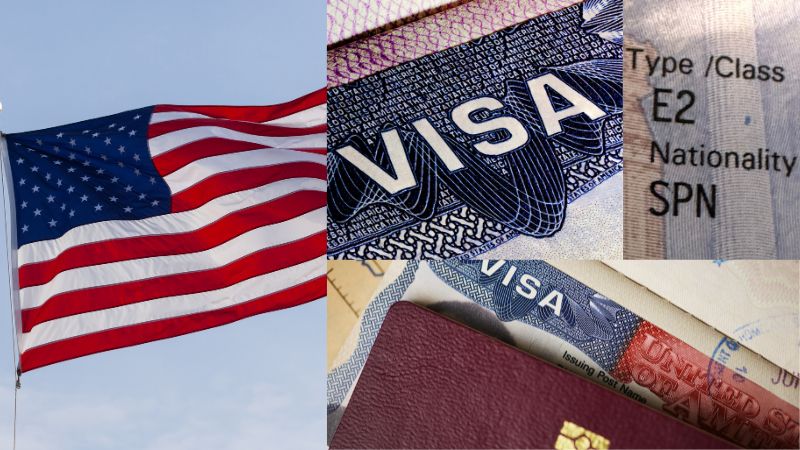
Securing a student visa and residence permit involves meticulous paperwork, strict deadlines, and navigating various offices. Non-EU students must prove sufficient funds (currently around €853 per month or roughly €10,236 per year), often through a “blocked account”.
- Our Founder’s Take: “German bureaucracy is thorough, but predictable. The key is to be organized, patient, and start early. Don’t underestimate the importance of your ‘Anmeldung’ – city registration – as it’s the foundation for almost everything else.”
- Our Service: We provide detailed checklists for visa applications and other essential registrations. We guide you through the process of opening a “blocked account” to demonstrate financial stability, and connect you with official guides and support services like Studierendenwerke and university international offices.
Accommodation Challenges
Finding affordable housing, especially in major cities like Munich or Hamburg, can be competitive and time-consuming.
- Our Founder’s Take: “Apply to student dormitories as soon as humanly possible, and simultaneously explore private shared apartments. Housing takes months, so proactive searching is non-negotiable. Living close to your university makes a huge difference in your daily life and motivation.”
- Our Service: We advise on the best platforms for housing searches (e.g., WG-Gesucht, Studierendenwerk websites), and emphasize the importance of starting 3-6 months before arrival.

Cultural and Academic Adjustment
German college life can feel less structured than in the U.S., with a greater emphasis on self-directed learning and final exams rather than continuous assessment. German communication can also be more direct.
- Our Founder’s Take: “You’re in charge of your own studies in Germany – embrace that independence. Professors do less hand-holding, and final exams are crucial. It’s a different rhythm, but it fosters incredible self-discipline and critical thinking. Also, don’t be surprised by German directness; it’s a cultural norm, not rudeness.”
- Our Service: We prepare you for these academic differences, emphasizing self-discipline and effective study strategies for comprehensive exams. We also provide insights into German cultural norms, helping you navigate social interactions and integrate smoothly into student life.
Let Us Guide Your Journey
Germany offers an extraordinary educational experience that can shape your future in profound ways. With our expert guidance, including dedicated support for your German student visa application, combined with the practical wisdom gained from our founder’s own academic journey in Germany, we are uniquely positioned to help you navigate the process seamlessly.
Don’t let the complexities deter you from an incredible opportunity. Contact us today to begin your journey toward a world-class German university education!
Andenhouse Advisors
https://andenhouse.com
info@andenhouse.com
+1 (425) 494 3590